Good Muslim, Bad Muslim:
Rethinking the Muslim Image in Contemporary Photography
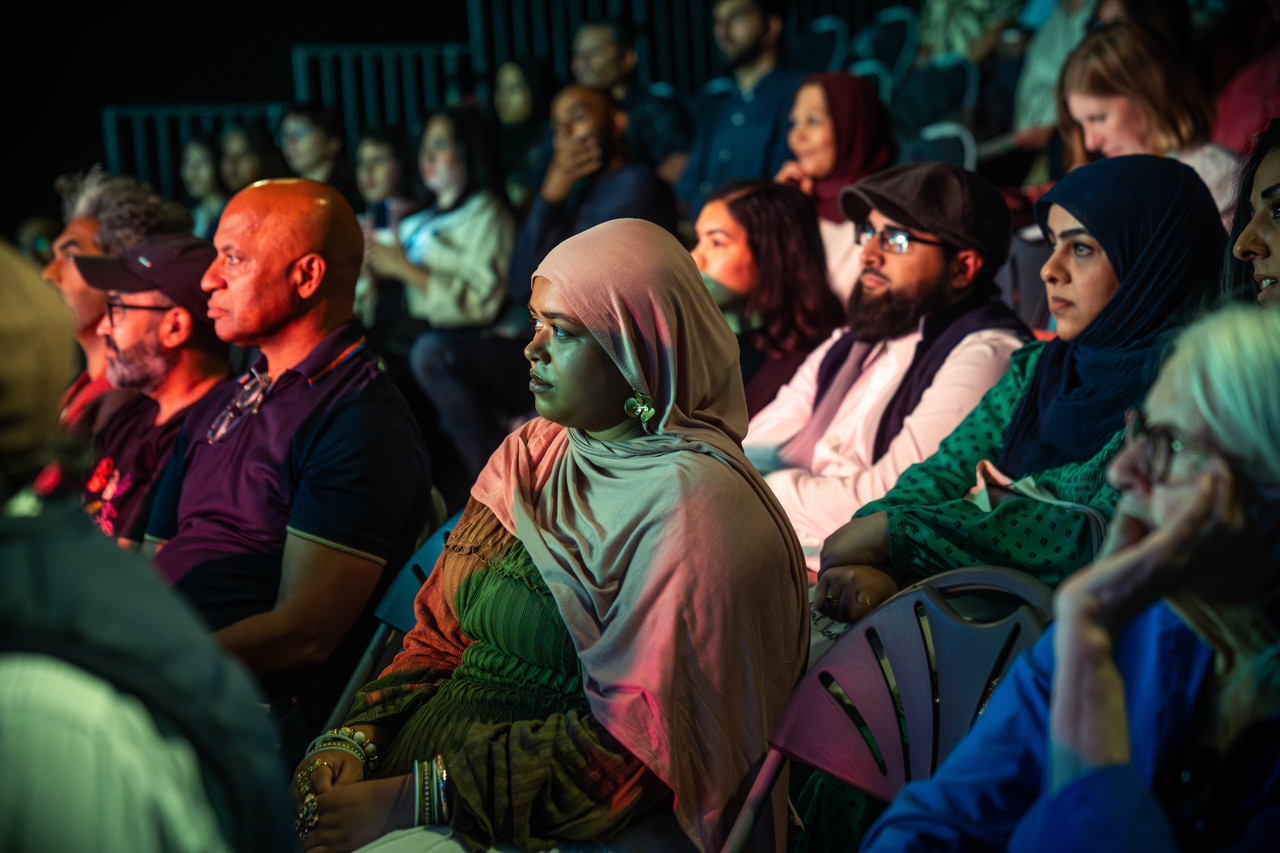
On 7 September 2026, Soul City Arts, the University of Warwick, and the 'British Journal of Photography', brought photographers, curators, and academics together with the arts-interested public at Oxford House, Bethnal Green, London, for the 'Good Muslim, Bad Muslim' symposium. With curator Mohamed Somji, artistic director Mohammed Ali, and myself as academic lead, the programme examined the politics of Muslim representation in contemporary photography, which is arguably the most literally ‘representational’ of cultural forms.
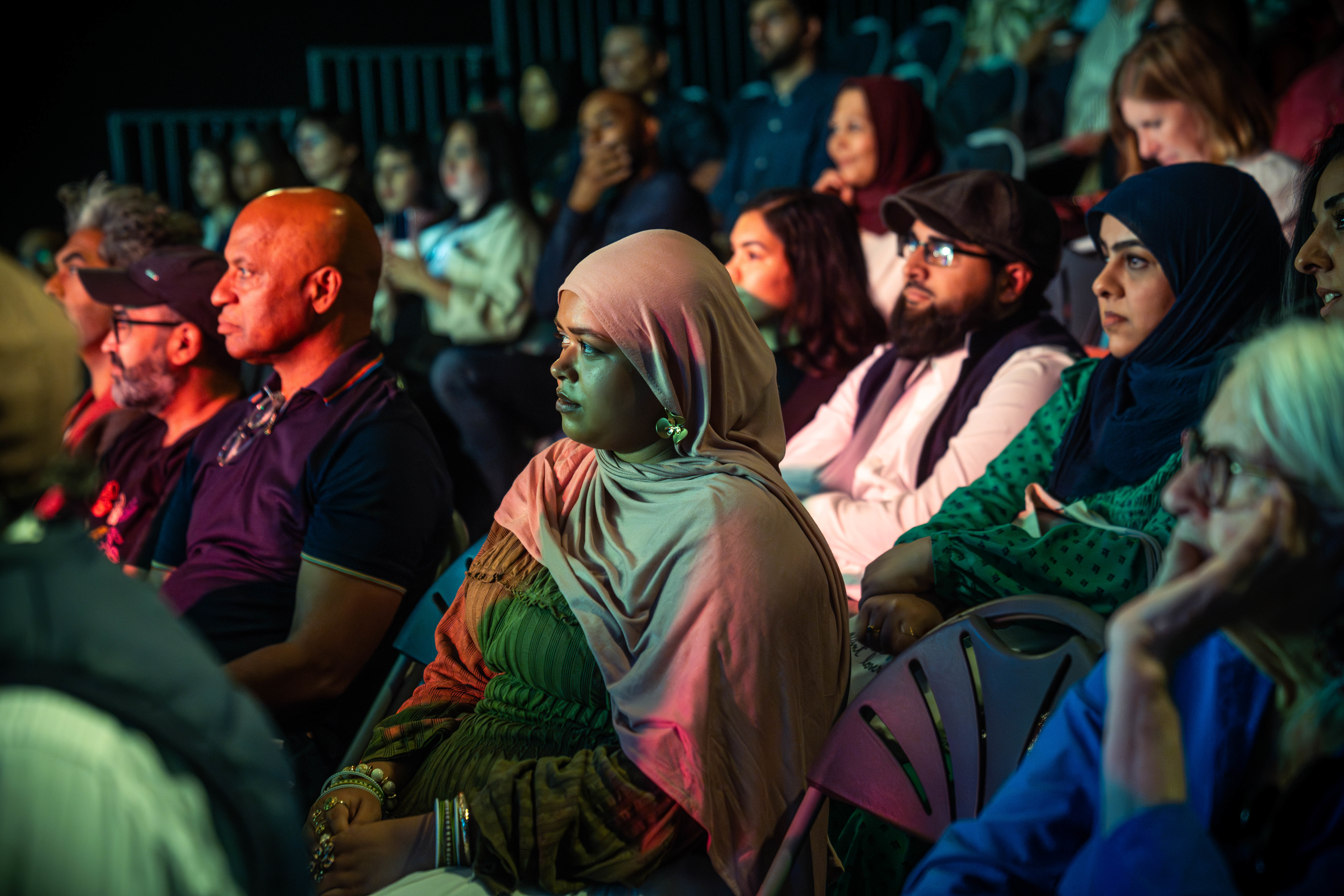
The symposium’s central concern was the pressure on Muslim artists to show themselves and each other in ways that reassure rather than unsettle majority audiences: recognisably different, yet sufficiently assimilated; culturally distinctive, yet politically unthreatening. Our themed panel discussions, individual presentations and public Q&A, carefully designed by Somji, asked how photography might resist these restrictive conventions, opening space for more complex experiences, conflicting identities and alternative ways of showing and seeing.
Rather than advocating for an ever more diverse corpus of Muslim images, the symposium asked instead who determined the terms of visibility, which narratives were rewarded, and asked what artists might feel compelled to conceal. In fact, these tensions had a long-standing history. Farah-Silvana Kanaan’s advance feature for '1854 Photography', situated the discussion within longer histories of Orientalism, surveillance, and the commodification of Muslim identity. My own opening presentation on the day drew from my existing research, emphasising how late C19th and early C20th century photography, particularly the photography of colonial period, had already shown two problematic tendencies that survive to this day: firstly, that Empire had produced a limited, propogandist visual language for Muslims, and, secondly, that Muslim artists had over history ended up internalising and, wittingly or unwittingly, reproducing some of these tropes, handed down to them by colonial masters.
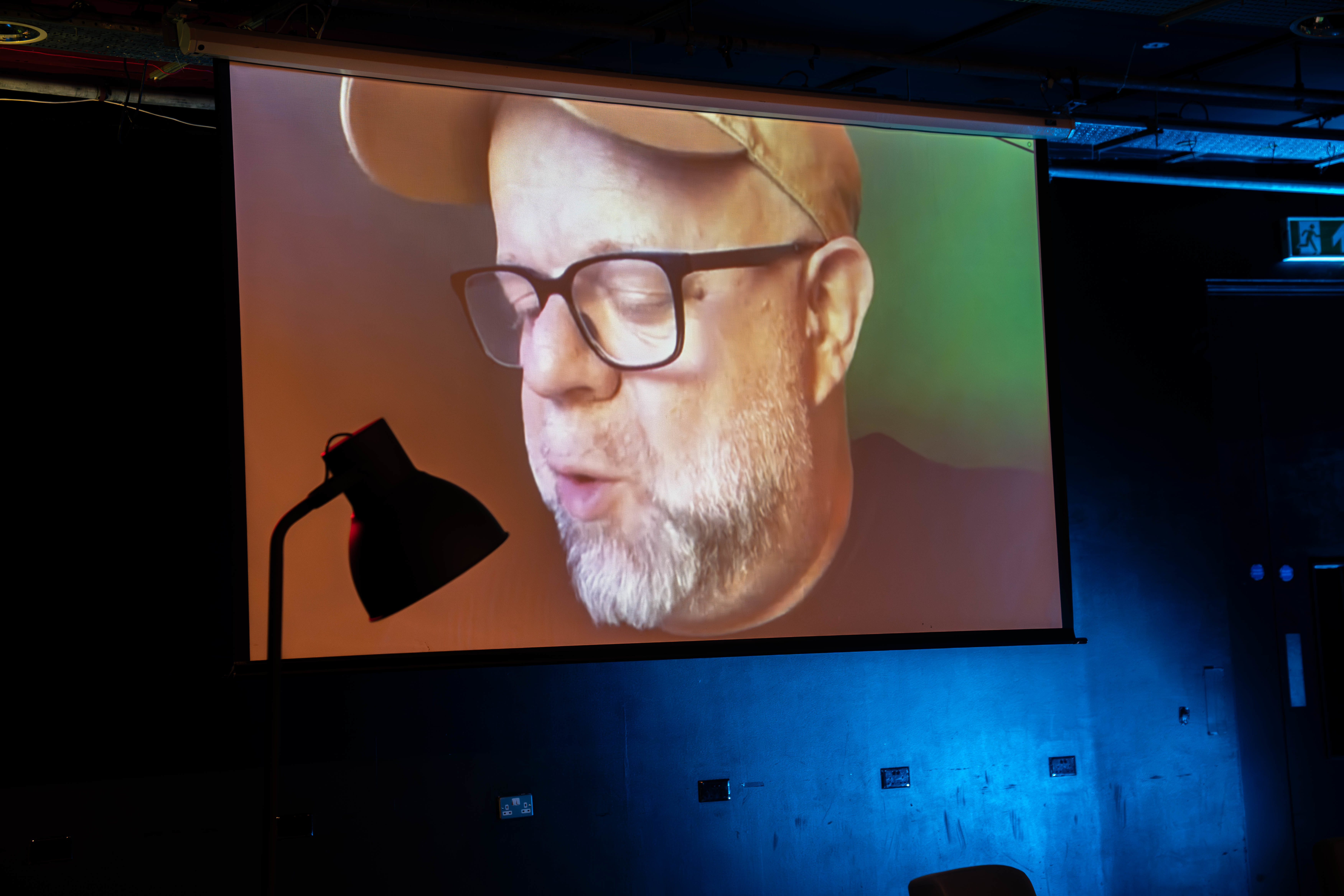
The programme combined this kind of critical reflection with artistic practice. Photographer and writer Asim Rafiqui’s opening presentation, 'Finding the Good Muslim', interrogated the construction of the supposedly integrated, apolitical Muslim in Western photojournalism, problematising the idea of authentic representations of a 'good' Muslim per se. Marwan Bassiouni’s 'New Western Views', photographing landscapes through mosque windows, offered a quieter challenge to assumptions about Muslim belonging. And in 'Thread and Trace', Miriam Ali and Nilupa Yasmin explored inherited textiles, prayer rugs, family memory, and faith.
Shaista Chishty’s 'The Case for Opacity' was central to the symposium’s challenge to conventional ideas of representation. Rather than assuming that visibility is always liberating, Chishty asked what it might mean to withhold, refuse or remain partially unreadable. Her contribution highlighted the risks involved when Muslim lives are made visible only through frameworks that demand explanation, accessibility or political usefulness. Opacity emerged not as an absence of communication, but as a form of agency: a way of resisting the expectation that artists and communities must make themselves fully available to public scrutiny.
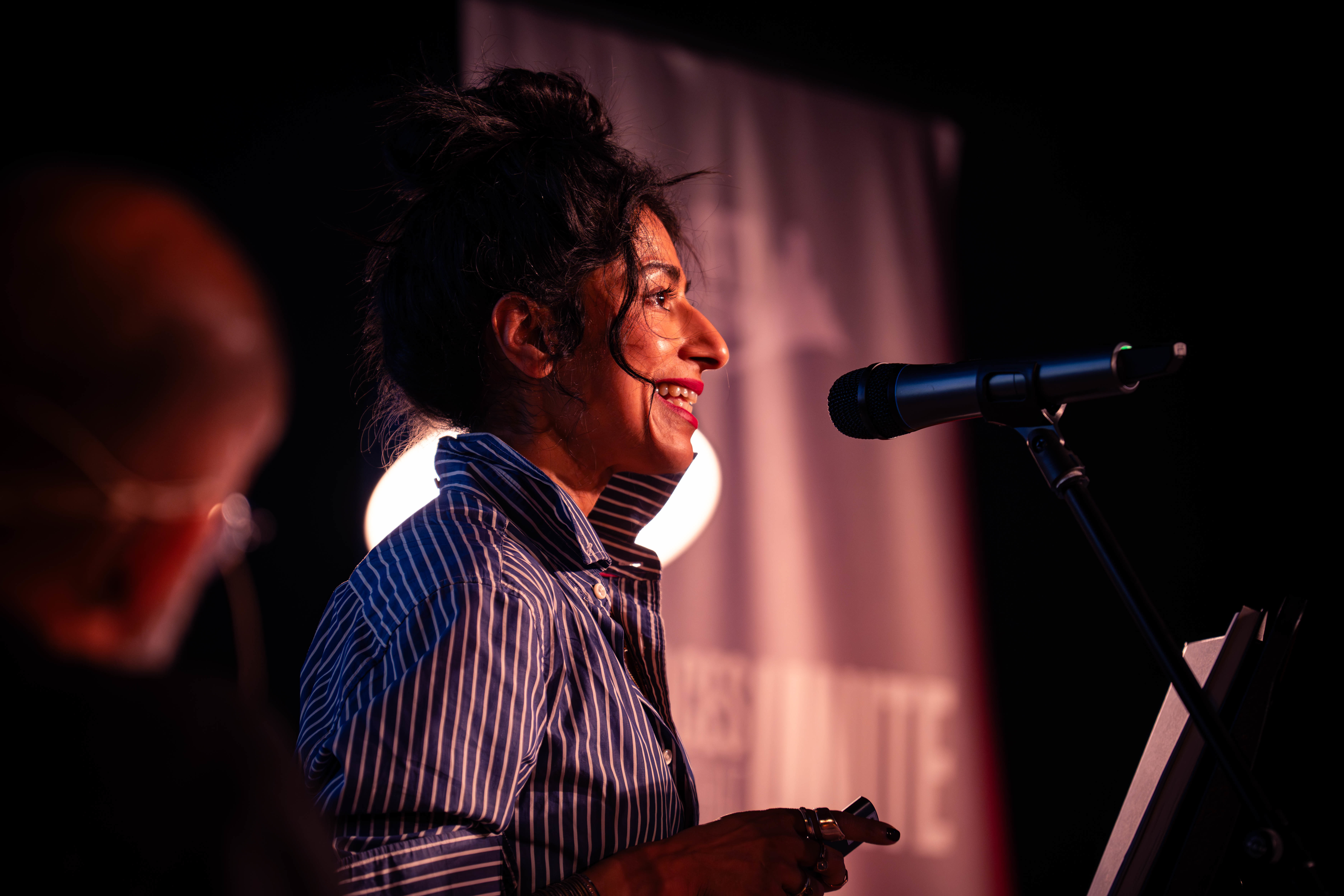
A conversation between Mahtab Hussain and Mohamed Somji examined the relationship between photographic representation, surveillance and British Muslim experience. Hussain’s practice, attentive to portraiture, masculinity, class and belonging, brought the lived consequences of representation into focus. The discussion considered how images can challenge stereotypes while also becoming entangled in the systems that produce them. It asked whether portraiture could offer recognition without reducing its subjects to symbols of community, faith or difference, and how artists might negotiate the expectations placed upon them by institutions and audiences.
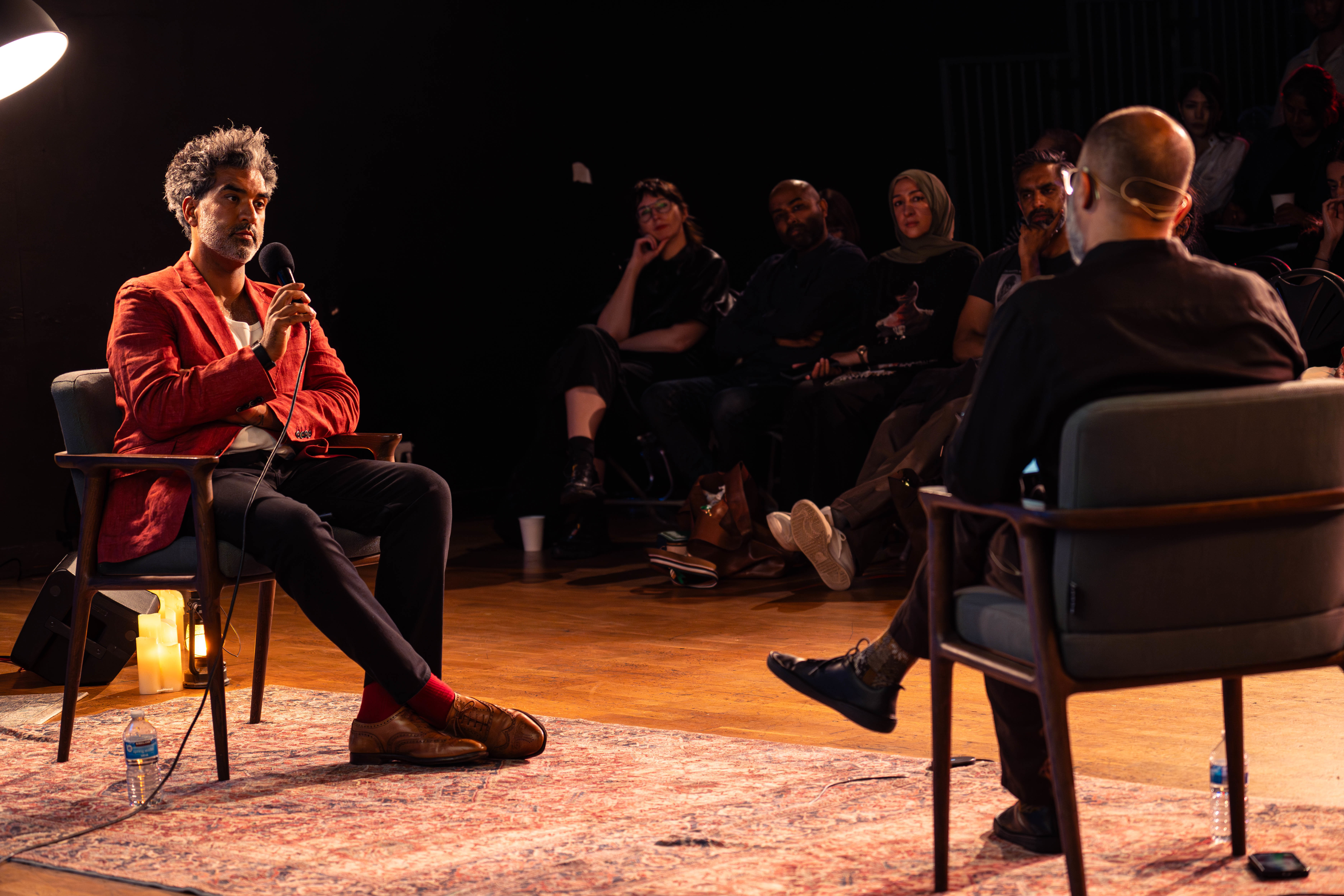
Rehan Jamil’s contribution extended these questions by drawing attention to the importance of voice, participation, and the conditions under which Muslim stories are produced in the visual realm. Rather than treating representation as something delivered to communities by photographers or cultural institutions, Jamil emphasised the need to consider who is involved in shaping an image, whose interpretation is trusted, and who retains control over its circulation. This perspective reinforced the symposium’s broader argument that representation is not only about what appears in a photograph, but also about the relationships, permissions, and power structures behind it.
A panel on commissioning and curating then addressed the institutional decisions shaping which images which reach audiences—and, of course, whose work is shown and on which platforms. Enriched by the critical discussions outlined above, which probed questions of the ‘what’, ‘how’, and also the ‘by whom’ of Muslim photography, this critical discussion was especially impactful. It was rewarding to see in attendance colleagues from Arts Council England, whose work is hugely concerned with diversity and inclusion, and to hear from them that the day had given even them “food for thought.”
The programme concluded with a closed-door listening circle, 'What We Don’t Say', in which artists especially were encouraged to vent feelings, with no holes barred, about their experiences as Muslim photographers. The session was not recorded and will not be cited here to keep the promises we made to our contributors. It is perhaps telling, though, that such sessions are still necessary, with the fear of falling outside the framing of the acceptable or ‘good Muslim’ still serving to delimit what some practitioners feel they can and cannot say in public. Appropriately enough we closed with Professor Mahmood Mamdani author of the iconic study 'Good Muslim, Bad Muslim',which had first diagnosed the problematic binary of acceptability and unacceptability, and given leant its name to our sympsoium. It was a rare treat and a coup in itself to have him speak.
Reflecting back on the day, the symposium’s significance lay for me not in any proposition a single alternative image of Muslim life and culture, but in challenging the demand for xuch a thing. By bringing creative practice into sustained dialogue with academic criticism, Good Muslim, Bad Muslim offered a valuable model for artistic engagement: one that foregrounded complexity, encouraged disagreement and made room for voices that conventional frameworks of representation often exclude—all whilst opening out the possibility for making real change in the position of Muslims across the arts sector.
You might also be interested in these articles...
a UK academic exploring Islam through global history and culture.
